Technical Skill Gap: An HR Issue or an Operational Risk for Companies?
August 31, 2026Technician Skill Matrix: How HR and Engineering Objectively Measure Team Competence
September 14, 2026
Companies need competent technicians to maintain productivity and operational reliability. However, finding technicians with the right skills is not always easy.
HR and management often face two main options. They can develop internal technicians or hire skilled talent from the market.
This decision is commonly known as Build vs Buy Talent. The topic has become increasingly relevant as companies manage technical skill gaps and changing workforce requirements.
However, the decision should not depend only on recruitment cost. Companies should consider speed, competency, operational risk, retention, and long-term capability.
What Does Build vs Buy Talent Mean?
Build means developing technical capability internally. Companies can identify employees with strong potential and invest in technical training. Employees then develop their skills through practical training and on-the-job experience.
Buy means hiring technicians who already have the required competencies. Companies use external recruitment to gain access to experienced technical talent. Both strategies have advantages and risks. Companies should therefore select the strategy based on operational requirements.
When Should Companies Build Talent?
Building talent makes sense when the capability will remain important for the business. It also works well when companies have employees with strong potential. Structured training can then accelerate their technical development.
This strategy can provide several benefits:
- Stronger internal talent pipelines.
- Skills aligned with operational requirements.
- Better knowledge retention within the company.
- Clearer career development.
- Stronger employee retention.
Technical development can also reduce long-term dependency on external talent.
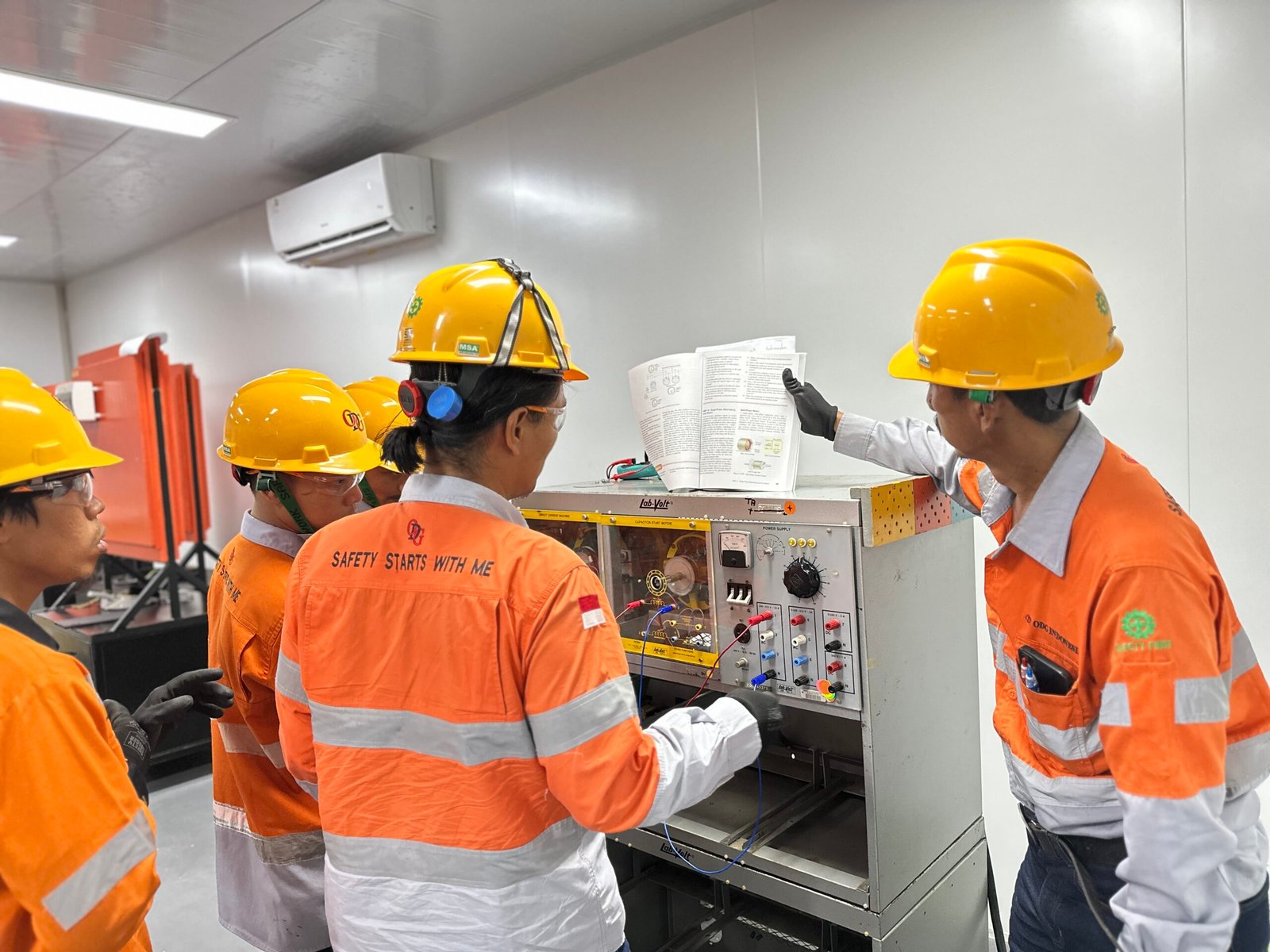
TSDC applies an industry-based approach that combines classroom learning, practical workshops, and workplace application.
When Should Companies Buy Talent?
Buying talent makes sense when the company needs specific competency quickly. This situation can occur when companies start new projects or expand operations.
Technology changes can also create urgent technical competency requirements. External recruitment can provide faster access to experienced technicians. However, companies still need to consider recruitment costs and retention risks.
External hires may also need time to understand company equipment and workflows. Therefore, effective onboarding remains important after recruitment.
Build vs Buy Is More Than a Recruitment Decision
Companies often treat technical skill gaps as recruitment problems. However, a skill gap represents a difference between existing capabilities and required capabilities. Companies can address the gap through recruitment, training, or a combination of both.
Management should therefore look at workforce capability from a strategic perspective. The question is not only, “Do we need more technicians?” A better question is, “What technical capabilities will our business need over the next three to five years?”
Building Talent Can Support Retention
Technical training does more than improve competency. Development programs can also create clearer career opportunities for technicians. Employees may become more engaged when they see opportunities to develop their skills. This makes technical training highly relevant for HR and L&D teams. Companies can also create internal succession pipelines. Junior technicians can develop into senior technicians or technical supervisors. TSDC connects technician development with productivity, quality, safety, and operational goals.
How Should Companies Choose?
Companies can evaluate several important questions.
First, how urgent is the capability requirement?
If the requirement is urgent, external hiring may provide an immediate solution.
Second, will the capability remain important long term?
If yes, companies should consider building internal capability.
Third, do internal candidates already exist?
If they do, technical training may provide a strategic development path.
Fourth, how difficult is the skill to find externally?
Highly specialized technical skills can require longer recruitment processes.
Fifth, what happens if the capability gap remains unresolved?
The higher the operational risk, the more important a strong competency pipeline becomes.
Hybrid Strategy: Build and Buy Together
Companies do not always need to choose one strategy. A hybrid strategy can combine external recruitment with internal development. Companies can hire experienced technicians while developing internal employees.
Experienced technicians can also support knowledge transfer within the technical team. This approach addresses immediate capability needs while building long-term internal capacity. Hybrid strategies are increasingly relevant as workforce requirements continue to change.
The Role of Technical Training in Building Talent
Building talent requires structured technical training. Training should connect directly with the technician’s actual responsibilities. Programs should cover technical knowledge, troubleshooting, safety, and practical application.
Assessment should also measure competency development. TSDC combines classroom learning, workshops, assessments, and workplace application. Its Electrotechnology curriculum was developed with Holmesglen Victoria TAFE. This approach helps companies develop technicians based on real operational requirements.
So, Should Companies Build or Buy?
There is no universal answer. Buy is more suitable when companies need proven competency quickly. Build is more suitable when companies want to own the capability long term. Hybrid strategies can work when companies need both speed and sustainable capability.
The key is to stop treating talent as only a recruitment requirement. Technical talent should become part of the company’s operational strategy. With the right Build vs Buy Talent strategy, companies can close technical skill gaps more systematically. They can also build a technical workforce that is better prepared for technology changes and operational demands.
Turn Technical Skill Gaps into a Talent Pipeline
Companies do not always need to search for ready-made technicians. With the right technical training, companies can develop technicians around their actual business requirements.
TSDC supports companies through industry-based technical training, practical workshops, and workplace application. Its approach focuses on competency, productivity, quality, and safety.
If your company is facing a technical skill gap, it may be time to review your talent development strategy. Contact TSDC to discuss technical training and workforce development solutions for your company.
Whatsapp : +62 811 1302 0888
Email : marketing@ptodg.com