
Choosing the Wrong Training Provider Can Harm Your Career—Here’s How to Choose the Right One
October 8, 2026
Recurring Downtime? Re-evaluate Your Maintenance Team’s Competence.
October 12, 2026
Work experience is a valuable asset for every technician. However, years of experience alone do not guarantee the required level of competency.
Technology continues to evolve, operational procedures change, and workplace safety requirements become more demanding. Companies must ensure their technicians have the skills needed to meet current operational demands.
How can businesses determine whether their technicians are ready to meet industry expectations?
Experience Does Not Always Guarantee Competency
Experienced technicians often understand equipment operations and workplace challenges. They also develop practical knowledge through daily maintenance and troubleshooting activities.
However, established working habits may not always reflect updated procedures. Some technicians might continue using outdated methods that reduce efficiency or increase operational risks.
These gaps can affect maintenance quality, equipment reliability, and workplace safety. Therefore, companies should evaluate actual performance rather than relying solely on years of service.
Why Do Industry Standards Matter for Technician Competency?
Competency standards help companies define the technical skills required for each position. They also provide a clear reference for identifying skill gaps across maintenance and engineering teams.
A structured competency framework can deliver several benefits:
- Higher productivity: Technicians follow structured processes and complete tasks more efficiently.
- Reduced downtime: Better troubleshooting skills help technicians identify equipment problems more accurately.
- Improved workplace safety: Proper technical knowledge supports compliance with safety procedures.
- Consistent maintenance quality: Standardized practices help technicians perform inspections and maintenance more reliably.
- Better workforce readiness: Technicians can prepare for new technologies, equipment, and operational responsibilities.
Clear competency standards also help management connect workforce development with business objectives.
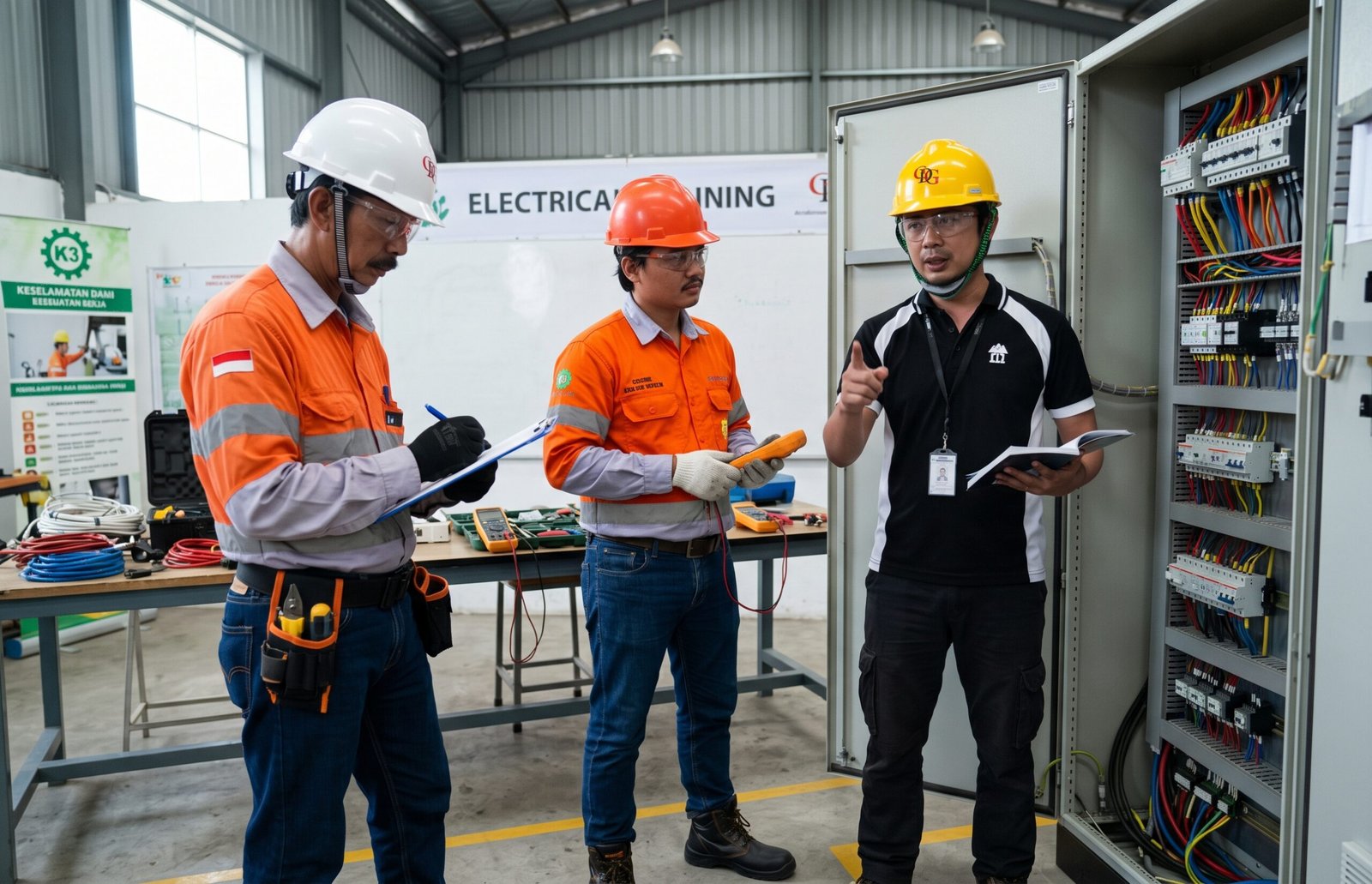
How to Assess Technician Skills Against Industry Standards
Companies can evaluate technician competency through several practical steps.
1. Identify Required Technical Competencies
Define the skills required for each technician position. Consider equipment types, job responsibilities, operational procedures, and applicable safety requirements.
This process helps companies establish realistic competency expectations for different roles.
2. Conduct a Practical Skill Assessment
Evaluate each technician’s technical knowledge and practical abilities. Use assessment methods that reflect real workplace responsibilities.
Depending on the role, assessments may cover electrical installation, troubleshooting, preventive maintenance, and workplace safety.
Practical assessments can reveal weaknesses that written tests might overlook.
3. Identify Competency Gaps
Compare assessment results with the required competency standards. Document the gaps and prioritize skills that directly affect safety, equipment reliability, and productivity.
This information provides a foundation for targeted workforce development.
4. Develop a Structured Technical Training Program
Select training programs based on assessment results and operational priorities. Avoid choosing courses solely because they appear on the annual training calendar.
A targeted approach helps companies ensure technician skills meet industry standards through relevant learning activities and practical exercises.
5. Measure Training Effectiveness
Evaluate technicians after training to determine whether their capabilities have improved. Review practical performance, procedural compliance, and workplace application.
Regular evaluations also help management identify additional development needs.
Technical Training as a Long-Term Investment
Technical training should support measurable improvements in workforce competency. Well-designed programs help technicians update their knowledge and strengthen practical skills.
Training also creates opportunities to establish consistent working practices across teams. This consistency can support maintenance quality and operational reliability.
Companies should prioritize programs that combine technical theory, hands-on practice, and relevant workplace applications.
By aligning training with operational requirements, businesses can develop technicians who are better prepared for changing industry demands.
Develop Your Technical Workforce with TSDC
Technical Skill Development Centre (TSDC) supports technician development through structured technical training. Its training approach can help companies strengthen workforce capabilities and address technical competency gaps.
For HR, Learning and Development, Engineering, and Operations teams, effective workforce development starts with clear competency requirements. Companies can use these requirements to establish training priorities and monitor technician progress.
Explore tsdc.co.id to learn more about TSDC (Technical Skill Development Centre) and discover training opportunities for your company’s technical workforce.
Invest in continuous competency development to prepare your technicians for evolving technologies, operational challenges, and industry expectations.
Whatsapp : +62 811 1302 0888
Email : marketing@ptodg.com